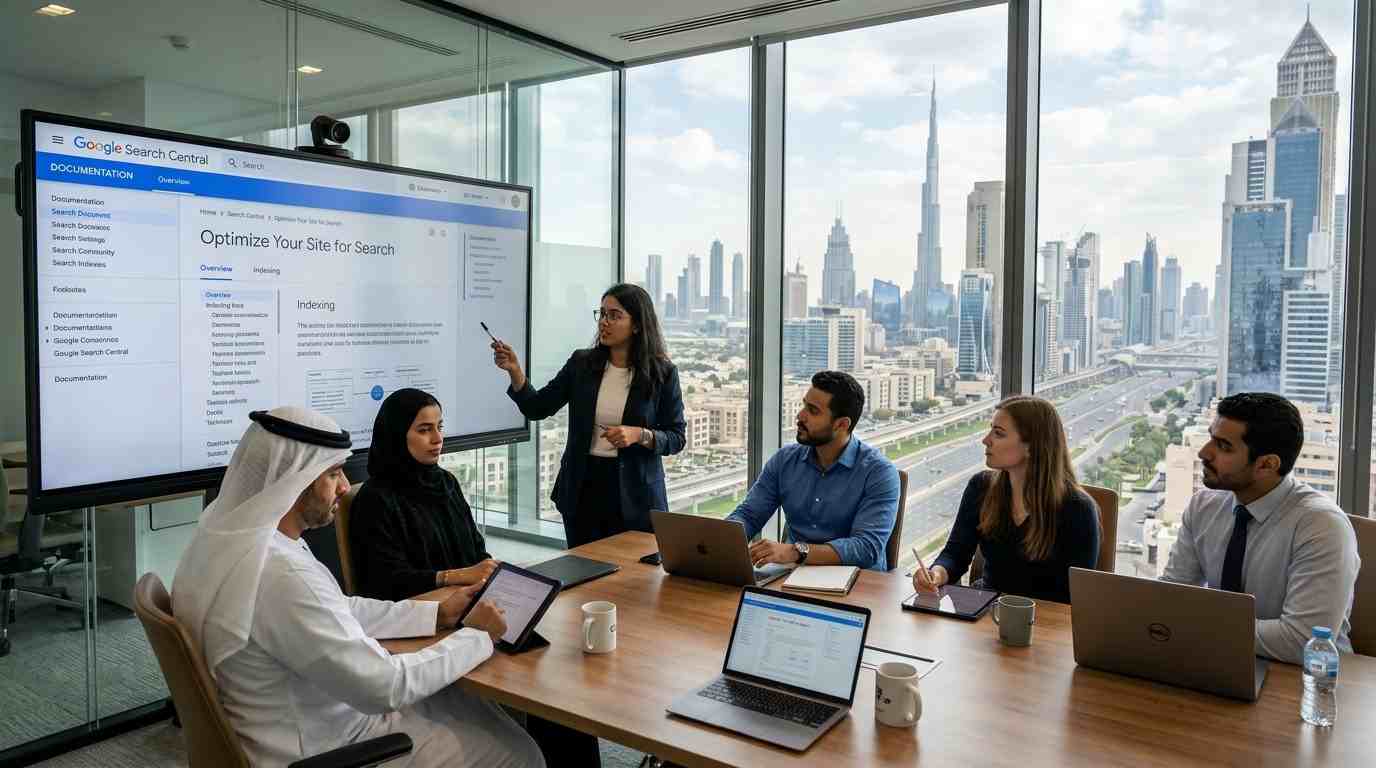
This comprehensive guide provides an in-depth analysis of how Middle East startups can strategically leverage social media marketing to build brand equity, acquire qualified leads, and establish long-term digital authority. Written from the perspective of Eyes on Solution, a leading digital marketing and SEO agency, this article details the unique digital landscape of the Gulf Cooperation Council (GCC) region, evaluates the ROI of various platforms, and provides actionable frameworks for localized Arabic content. Startups will discover how to integrate social media with search engine optimization (SEO) to compete effectively with established global brands and capture a highly engaged, mobile-first audience.
The startup ecosystem in the Middle East and North Africa (MENA) region, particularly within the Gulf Cooperation Council (GCC) countries, is undergoing an unprecedented digital renaissance. Driven by national economic diversification strategies such as Saudi Arabia’s Vision 2030 and the UAE’s Centennial 2071, entrepreneurship has transitioned from a niche pursuit into a core pillar of regional economic development. However, as venture capital funding pours into the region, quadrupling between 2017 and 2022 and maintaining a robust 24% annual growth rate, the competitive landscape for startups has intensified dramatically.
In this hyper-competitive environment, traditional advertising channels such as print, radio, and physical billboards are increasingly obsolete, especially for early-stage ventures operating with limited marketing capital. Startups require highly cost-effective, scalable, and measurable marketing engines that can bypass established legacy competitors and establish direct, trust-based relationships with consumers. This is where strategic social media marketing, integrated with a comprehensive search engine optimization framework, serves as the ultimate growth catalyst.
For Middle Eastern startups, social media is not merely a tool for casual communication; it is a primary digital marketplace and a foundational driver of consumer trust. By understanding the unique nuances of GCC digital demographics, localized cultural dynamics, and platform-specific user behaviors, startups can build highly targeted campaigns that convert passive digital scrolling into measurable business revenue.
Why Is the Middle East a Unique, Mobile-First Social Media Powerhouse?
To successfully execute social media marketing in the Middle East, startups must first comprehend the extraordinary digital adoption rates that characterize the region. The GCC countries boast some of the highest smartphone and internet penetration rates globally, far exceeding mature Western markets.
According to recent digital landscape reports, active social network penetration in 2025 reached a staggering 111.2% in Saudi Arabia and 109.7% in the United Arab Emirates. This statistical anomaly (where penetration exceeds 100%) is driven by a highly tech-savvy population utilizing multiple active accounts and mobile connections per individual. Furthermore, internet and smartphone penetration rates exceed 90% across Qatar, Bahrain, and Kuwait, creating an almost entirely digitized consumer base.
Average Daily Time Spent on Social Media (2025)
| Region | Average Daily Time on Social Media |
| Global Average | █████████████ 5.3 hours |
| Saudi Arabia | █████████████████ 6.8 hours |
| United Arab Emirates | ████████████████████ 7.2 hours |
This massive mobile infrastructure is accompanied by an exceptional volume of daily engagement. While the global average for daily social media usage stands at 5.3 hours, consumers in the UAE spend an average of 7.2 hours daily on social platforms, with Saudi Arabian users closely following at 6.8 hours daily.
How Do GCC Consumers Interact with Digital Brands?
This high level of connectivity has fundamentally reshaped regional consumer purchasing behavior. GCC consumers do not merely use social media for entertainment; they use it as their primary search engine, product discovery portal, and customer service channel.
For startups, this mobile-first environment means that your target audience is constantly accessible, highly receptive to digital messaging, and deeply reliant on social proof. However, because the market is saturated with digital content, consumers have developed a low tolerance for generic, unlocalized marketing. To capture their attention, startups must deliver highly personalized, culturally resonant, and visually compelling experiences directly to their mobile screens.
Why Does Social Media Marketing Matter More Than Ever for Early-Stage Startups?
For an early-stage startup, every single dollar allocated to marketing must yield a clear, measurable return. Legacy marketing channels are not only prohibitively expensive, but they also lack the granular targeting capabilities required to reach specific, high-intent buyer personas. Social media marketing offers a suite of distinct advantages that make it an indispensable asset for startup growth.
1. Unmatched Cost-Effectiveness and Scalability
Unlike traditional media, which requires massive upfront capital investments for broad, unsegmented reach, social media advertising allows startups to begin with highly modest budgets and scale their spend in direct proportion to their revenue growth. Whether you are allocating $100 or $10,000, platforms like Instagram, LinkedIn, and TikTok allow you to set strict budget caps, bid for specific actions (such as website clicks or lead form submissions), and optimize your campaigns in real-time based on performance data.
2. Hyper-Granular Audience Targeting
One of the most powerful features of modern social media advertising is the ability to target users based on precise demographic, geographic, psychographic, and behavioral parameters. For instance, a B2B SaaS startup in Dubai can run highly specific campaigns targeting only Chief Technology Officers within the financial services sector in Riyadh. Conversely, a direct-to-consumer fashion brand can target female smartphone users aged 18–35 in Abu Dhabi who have expressed an active interest in sustainable luxury. This level of precision minimizes ad waste and ensures that your marketing messages are delivered exclusively to high-intent prospects.
3. Rapid Brand Awareness and Credibility Building
When a startup enters the market, it starts with zero brand equity. Establishing credibility in the Middle East is a significant hurdle, as regional consumers place an exceptionally high value on trust and reputation. A professional, highly active social media presence acts as a digital storefront. By consistently publishing high-quality content, showcasing customer testimonials, and engaging in transparent, real-time conversations, startups can build a credible, recognizable brand identity from scratch in a matter of weeks rather than years.
4. Direct, Two-Way Customer Engagement
Traditional marketing is a one-way monologue; social media is a dynamic, two-way dialogue. This direct line of communication is invaluable for startups. It allows you to gather immediate feedback on your products or services, address customer inquiries instantly, and foster a loyal, community-driven brand following. In the Middle East, where personalized customer service is highly prized, prompt and helpful interactions in comment sections and direct messages can turn casual buyers into passionate brand advocates.

Which Social Media Platforms Deliver the Highest ROI for Middle East Startups?
Not all social media platforms are created equal, and attempting to maintain an active presence on every single channel is a common recipe for startup burnout. Startups must strategically select platforms based on their business model (B2B vs. B2C), their target audience demographics, and their specific marketing objectives.
| Platform | Primary Target Audience | Core Content Format | Best Suited For | Regional Strength |
|---|---|---|---|---|
| Gen Z & Millennials (18–35) | High-quality images, Reels, Carousel posts | Visual storytelling, influencer partnerships, lifestyle B2C | Exceptionally strong in UAE, Saudi Arabia, and Kuwait | |
| Professionals, Founders, Executives | Thought leadership articles, text-heavy posts, industry PDFs | B2B lead generation, networking, talent acquisition | Dominant in UAE (Dubai) and Saudi corporate sectors | |
| TikTok | Gen Z & Young Millennials (13–30) | Raw, unpolished, short-form vertical video | Viral challenges, organic product demos, high-reach B2C | Explosive growth across Saudi Arabia and the UAE |
| Snapchat | GCC Nationals (15–35) | AR filters, short video stories, real-time updates | Highly localized B2C campaigns, flash sales | Massively popular among Saudi and Emirati nationals |
| X (Twitter) | Professionals, Journalists, Government | Real-time text updates, threads, community discussions | Real-time public relations, community engagement | Primary channel for public discourse in Saudi Arabia |
Instagram: The Visual Storytelling Engine for B2C Growth
For lifestyle, retail, food and beverage, and e-commerce startups, Instagram is the undisputed cornerstone of digital marketing. The platform’s visual-first nature makes it ideal for showcasing products, telling your brand story, and building aesthetic appeal.
In the GCC, Instagram Reels have become a primary driver of organic reach. Startups can leverage Reels to create engaging behind-the-scenes content, product tutorials, and user-generated content showcases. Furthermore, influencer collaborations on Instagram are highly influential in the Middle East, where consumer purchasing decisions are deeply guided by the recommendations of trusted digital figures.
LinkedIn: The Gold Standard for B2B Lead Generation and Thought Leadership
If your startup operates in the B2B space, offering professional services, corporate consulting, or SaaS solutions, LinkedIn is your most valuable marketing channel. In major business hubs like Dubai and Riyadh, LinkedIn is the primary platform for professional networking, executive decision-making, and industry education.
B2B startups should focus on building the personal brands of their founders and executive team. By publishing insightful thought leadership articles, sharing industry data, and commenting on relevant sector trends, you can position your startup as an authoritative voice in your field. LinkedIn’s native lead generation forms also boast exceptionally high conversion rates for B2B campaigns, allowing you to capture qualified business leads directly within the platform.
TikTok: Unlocking Viral Organic Reach and Gen Z Engagement
TikTok has completely redefined the digital marketing landscape in the Middle East. Its highly sophisticated algorithm prioritizes content relevance and engagement over follower count, meaning that an early-stage startup with zero followers can realistically achieve millions of views on a single, well-crafted video.
The key to success on TikTok is authenticity. Regional audiences, particularly Gen Z, are highly cynical of polished, overly produced corporate advertisements. They crave raw, humorous, and relatable content. Startups should focus on creating short-form vertical videos that showcase the human side of their business, participate in trending audio challenges, and demonstrate their product’s value proposition in a fun, non-commercial manner.
Snapchat & X: Capturing Localized GCC Audiences
While often overlooked by international marketers, Snapchat and X hold immense strategic value within specific GCC demographics. Snapchat is incredibly popular among local GCC nationals, particularly in Saudi Arabia and the UAE, where it is used as a primary platform for daily personal communication. Startups targeting local citizens can achieve massive reach by utilizing Snapchat’s interactive Augmented Reality lenses and running highly localized vertical video ads.
X (formerly Twitter) serves as the primary digital town square for real-time news, political discourse, and corporate announcements in Saudi Arabia. For startups in fintech, government tech, or those looking to engage in real-time public relations, maintaining an active, highly responsive presence on X is crucial for staying relevant in national conversations.
What Are the Most Effective Social Media Marketing Strategies for the Middle East?
Succeeding in the Middle East digital market requires a deep appreciation for the region’s rich cultural diversity, linguistic nuances, and social values. Startups cannot simply translate Western marketing campaigns and expect them to resonate with GCC audiences. To drive meaningful engagement, you must implement localized, culturally intelligent strategies.
1. The Power of Dual-Language and High-Quality Arabic Content
The Middle East is a linguistically diverse region. While English is widely spoken in corporate and cosmopolitan hubs like Dubai, Arabic remains the primary language of daily life, emotional connection, and cultural identity for the vast majority of the population.
Startups must adopt a dual-language content strategy. This does not mean using automated translation tools, which often produce awkward, culturally tone-deaf phrasing. Instead, you should invest in professional Arabic copywriting that captures the specific regional dialects of your target market. For instance, the colloquial Arabic spoken in Riyadh (Najdi dialect) differs significantly from the dialect used in Cairo or Beirut. Creating localized, dialect-specific content demonstrates respect for your audience and builds immediate trust.
| English Content | Localized Arabic Content |
| Ideal for cosmopolitan business hubs (e.g. Dubai) | Essential for emotional connection and local trust |
| Targets expatriates and multinational corporates | Tailored to regional dialects (Najdi, Hijazi) |
2. Culturally Sensitive and Relevant Messaging
The GCC region is deeply rooted in traditional Islamic values, family structures, and cultural heritage. Startups must ensure that their visual assets, copy, and promotional campaigns align with these regional values.
Major cultural milestones such as Ramadan, Eid Al-Fitr, Eid Al-Adha, and National Days (such as Saudi National Day on September 23rd or UAE National Day on December 2nd) represent the peak consumer spending periods of the year. Developing specialized, highly respectful campaigns around these occasions is essential for driving seasonal sales and showing alignment with community values. Conversely, avoiding controversial, insensitive, or overly provocative imagery is vital for protecting your brand’s reputation.
3. Leveraging Micro and Nano-Influencer Partnerships
Influencer marketing is exceptionally powerful in the Middle East. According to regional consumer surveys, over 70% of GCC consumers trust social media influencer recommendations when making purchasing decisions. However, the era of partnering exclusively with massive celebrity influencers is fading.
For startups, the highest ROI lies in partnering with micro-influencers (10,000 to 100,000 followers) and nano-influencers (1,000 to 10,000 followers). These creators typically boast highly niche, deeply engaged communities and maintain a much higher level of personal trust with their followers. They are also significantly more affordable and open to creative collaboration, making them ideal partners for early-stage startups looking to build authentic, grassroots credibility.
4. Implementing Geo-Targeted Paid Advertising Campaigns
The Middle East is not a single, homogenous market; it is a collection of distinct cities and provinces, each with its own unique economic profile and consumer demographic. When running paid social media campaigns, startups should avoid broad, country-wide targeting.
Instead, leverage hyper-local geo-targeting. Focus your ad spend on specific high-value neighborhoods, commercial districts, or cities. For example, if you are launching a luxury delivery service in Dubai, target your Instagram ads specifically to residents of Downtown Dubai, Dubai Marina, and Palm Jumeirah. If you are launching a B2B service in Saudi Arabia, run separate campaigns tailored specifically to the corporate hubs of Riyadh and the industrial sectors of Dammam.

How Does Social Media Marketing Directly Enhance Your Startup’s SEO and Authority?
A common mistake made by early-stage startups is treating social media marketing and Search Engine Optimization as two completely separate, isolated departments. In reality, they are deeply interconnected, mutually reinforcing pillars of a successful digital growth strategy. When executed in harmony, social media and SEO create a powerful digital feedback loop that drives sustainable, long-term organic visibility.
1. Driving High-Quality Referral Traffic to Convert Into Leads
While social media is excellent for building initial brand awareness, your website is where actual business transactions occur. Consistently sharing high-quality, informative blog posts, case studies, and landing pages on your social channels drives targeted, high-intent referral traffic directly to your site.
This traffic is highly valuable to search engines. When Google detects a steady stream of engaged visitors arriving at your website and spending significant time reading your content, it signals that your site is a highly valuable, authoritative resource. This positive user engagement behavior directly contributes to higher organic search rankings for your target keywords.
2. Amplifying Content Reach to Earn Authoritative Backlinks
In the world of SEO, high-quality backlinks (links from other reputable websites pointing to your site) are the ultimate currency of domain authority. However, earning backlinks is exceptionally difficult for a new startup with low search visibility.
Social media acts as a powerful distribution network for your content. By promoting your original research, data-driven infographics, and insightful industry guides on platforms like LinkedIn and X, you dramatically increase the chances of your content being discovered by journalists, industry bloggers, and academic researchers. When these creators reference your content in their own articles, they generate high-quality, organic backlinks that elevate your site’s SEO authority.
3. Creating a Consistent, Multi-Channel Brand Identity
Modern consumers do not follow a linear, single-platform path to purchase. A typical buyer journey might begin with discovering your startup via an Instagram Reel, followed by searching your brand name on Google to read reviews, visiting your website to download a free guide, and finally converting after seeing a retargeted ad on LinkedIn.
To maximize conversions, startups must maintain an absolutely consistent brand identity across all digital touchpoints. Your visual aesthetics, brand voice, core messaging, and user experience must be seamlessly aligned whether a user is scrolling through your TikTok feed or navigating your mobile-optimized website. At Eyes on Solution, we specialize in integrating professional Website Design & Development with localized content strategies to ensure that your digital presence converts traffic into loyal, long-term customers.
What Are the Most Common Social Media Marketing Mistakes Startups Make, and How Do You Avoid Them?
Despite the immense potential of social media marketing, many startups fail to achieve a positive ROI because they fall into common, easily avoidable strategic traps. By identifying these challenges early, founders can protect their budgets and accelerate their path to growth.
Mistake 1: Treating Social Media as a Broad Broadcast Channel
Many startups use their social media accounts solely to blast promotional announcements, product updates, and sales pitches. This “me, me, me” approach is the fastest way to lose your audience’s interest. Social media users log onto these platforms to be entertained, educated, or inspired, not to be constantly pitched to.
- The Solution: Implement the 80/20 Rule of Content. 80% of your social media posts should be dedicated to delivering genuine, unselfish value to your audience, providing educational tips, industry insights, entertaining stories, or community highlights. The remaining 20% can be used for direct promotional offers, product launches, and sales campaigns.
Mistake 2: Prioritizing Vanity Metrics Over Business Revenue
It is easy for founders to get distracted by “vanity metrics” such as follower counts, likes, and superficial video views. While these numbers look impressive on a slide deck, they do not automatically translate into bankable revenue. A startup with 1,000 highly engaged, loyal followers who actively purchase its products is infinitely more successful than a brand with 100,000 inactive, unengaged followers.
- The Solution: Focus on actionable conversion metrics. Track metrics that directly impact your bottom line, such as click-through rates to your website, lead form completion rates, cost per acquisition, and customer lifetime value.
Mistake 3: Inconsistent Content Creation and Scheduling
Building a loyal, engaged social media audience requires extreme consistency. Many startups launch their channels with a burst of high-frequency posting, only to completely abandon their accounts a few weeks later when daily operational tasks take over. An inactive, outdated social media page sends a highly negative signal to potential customers, suggesting that your business may be struggling or no longer operational.
- The Solution: Develop a realistic editorial calendar and leverage automated scheduling tools. Rather than posting sporadically, commit to a consistent, manageable schedule (e.g., three high-quality posts per week) and batch-produce your content in advance to ensure a steady, uninterrupted digital presence.

How Can Professional SEO and Social Media Agencies Accelerate Your Startup’s Growth?
As a startup founder, your time is your most precious and limited resource. Attempting to manage product development, investor relations, customer service, and daily operations while simultaneously trying to master the complex, constantly changing algorithms of SEO and social media marketing is a recipe for strategic overwhelm.
Partnering with an experienced, highly specialized digital agency like Eyes on Solution allows you to offload the execution of your digital strategy to a team of dedicated experts, freeing you to focus entirely on building your core business.
| Component | Focus Area |
| Founder Focus | Product, Funding, Operations |
| Agency Focus | Localized SEO, Content, Outreach |
| Hyper Growth | Sustainable, Scalable Revenue |
At Eyes on Solution, we do not believe in generic, one-size-fits-all marketing packages. We understand that every startup has unique goals, target audiences, and budget constraints. We work closely with our clients to design and execute highly customized, integrated digital growth engines.
Our Comprehensive Suite of Startup Growth Services
- Strategic SEO Optimization: We conduct deep technical audits, comprehensive keyword research, and competitor gap analyses to position your website at the absolute top of search engine results pages. Explore our dedicated SEO Company Dubai services to discover how we drive long-term organic visibility.
- Professional Content Writing Services: Our team of expert, bilingual copywriters produces highly engaging, culturally resonant content in both English and localized Arabic. From informative blog posts to viral social media copy, we ensure your brand speaks with clarity and authority. Learn more about our Content Writing Services.
- Authoritative Blogger Outreach: We connect your startup with high-authority regional bloggers, digital journalists, and niche influencers to build grassroots credibility and earn powerful media placements. Discover how our Blogger Outreach Service can amplify your brand voice.
- High-Impact SEO Link Building: We execute ethical, white-hat link-building campaigns that secure high-quality backlinks from reputable regional and international websites, rapidly elevating your domain authority and search rankings. Explore our SEO Link Building strategies.
- Conversion-Optimized Website Design & Development: We build stunning, lightning-fast, and mobile-first websites that are meticulously optimized to convert social media and search engine traffic into paying customers. Learn more about our Website Design & Development solutions.
What Are the Future Trends in Social Media Marketing That Middle East Businesses Must Prepare For?
The digital marketing landscape is evolving at a breakneck pace. To maintain a competitive edge, Middle Eastern startups must keep a close eye on the horizon and proactively adapt their strategies to leverage emerging technologies and shifting consumer behaviors.
1. The Rise of AI-Driven Content Personalization
Artificial Intelligence is no longer a futuristic concept; it is actively reshaping how digital marketing is executed. In the Middle East, startups are increasingly using AI to analyze massive volumes of consumer data, predict purchasing behaviors, and deliver highly personalized content recommendations in real-time. From AI-powered chatbots that handle customer inquiries in localized Arabic dialects to automated ad optimization tools, integrating AI into your marketing workflow is essential for driving efficiency and scaling personalization.
2. The Exponential Growth of Social Commerce
Social commerce, the ability to browse, select, and purchase products directly within social media platforms without ever leaving the app, is poised for explosive growth in the GCC. Platforms like Instagram and TikTok are rapidly expanding their native shopping features, allowing B2C startups to create seamless, friction-free purchasing journeys. Startups that integrate their e-commerce inventories directly with their social media channels will be uniquely positioned to capture high-impulse mobile buyers.
3. The Shift Toward Community-Focused, Closed-Loop Engagement
As public social media feeds become increasingly crowded and noisy, consumers are shifting their personal interactions toward private, community-focused digital spaces. We are witnessing a massive rise in the use of private WhatsApp Communities, Instagram Broadcast Channels, and localized Discord servers. Startups should focus on building exclusive, closed-loop digital communities where they can deliver highly specialized value, offer early access to new products, and foster deep, personal relationships with their most loyal advocates.
Conclusion: Take the First Step Toward Dominating the Middle East Digital Market
The Middle East startup ecosystem offers an unparalleled landscape of opportunity, but capturing this highly lucrative, digitally active market requires far more than generic, unlocalized marketing efforts. To achieve sustainable, long-term growth, startups must commit to building a highly strategic, culturally intelligent social media presence that is deeply integrated with a robust SEO framework.
By understanding your target audience, selecting the right platforms, producing high-quality dual-language content, and avoiding common strategic mistakes, your startup can bypass established legacy competitors and establish a dominant digital footprint.
You do not have to navigate this complex digital journey alone. At Eyes on Solution, we possess the deep regional expertise, technical capabilities, and passion for entrepreneurship required to transform your startup’s digital presence into a powerful, revenue-generating engine.
Are you ready to accelerate your startup’s growth and dominate the GCC digital market? Contact Eyes on Solution today to schedule a comprehensive, personalized digital strategy consultation with our team of industry experts. Let us build the foundation for your long-term digital success.
Frequently Asked Questions (FAQ)
How can a B2B startup in Dubai generate qualified leads using social media marketing?
For B2B startups operating in major regional hubs like Dubai, the most effective strategy is to leverage LinkedIn for executive thought leadership and targeted lead-generation campaigns. By having your founders consistently publish high-value, data-driven industry insights and case studies, you build immediate professional credibility. Combine this organic activity with LinkedIn’s native Lead Gen Forms, targeting highly specific job titles, industries, and company sizes across the GCC to capture high-intent business leads directly within the platform.
What is the best way to handle localized Arabic content for social media in Saudi Arabia?
Succeeding in Saudi Arabia requires moving beyond standard formal Arabic (Fusha) and investing in professional copywriting that utilizes localized regional dialects, such as the Najdi or Hijazi dialects, depending on your specific target province. The content must be written by native Saudi copywriters who understand local idioms, humor, and cultural sensitivities. This ensures your brand voice feels authentic, respectful, and deeply aligned with local community values, which is essential for building consumer trust.
How do we measure the actual financial ROI of our social media campaigns?
To measure the true financial return on investment of your social media campaigns, you must move past vanity metrics like likes and followers. Implement robust digital tracking systems, such as Google Analytics 4 and platform-specific tracking pixels (like the Meta Pixel), to track user journeys from social media clicks to final website conversions. Calculate your ROI using the formula: (Net Revenue Generated – Total Ad Spend) / Total Ad Spend * 100. This allows you to identify exactly which campaigns, platforms, and creatives are driving profitable business growth.
Can an active social media presence directly improve our startup’s Google search rankings?
While social media signals (such as likes and shares) are not direct ranking factors in Google’s search algorithm, an active social media presence indirectly boosts your SEO in several highly powerful ways. Social media acts as a major distribution channel, driving high-quality, engaged referral traffic to your website, which signals value to search engines. Furthermore, promoting original research, infographics, and valuable guides on social platforms dramatically increases your visibility among industry bloggers and journalists, leading to high-quality, organic backlinks that directly elevate your domain authority and search rankings.
What is a realistic digital marketing budget for an early-stage startup in the UAE?
There is no one-size-fits-all answer, but a common benchmark for early-stage startups in the UAE is to allocate 8% to 15% of projected revenue to digital marketing, or start with a modest monthly testing budget of AED 5,000 to AED 15,000 for paid social media and local SEO. The key is to start small, run highly targeted A/B tests to identify what works, and systematically reinvest your profits to scale your campaigns as you prove positive acquisition metrics.