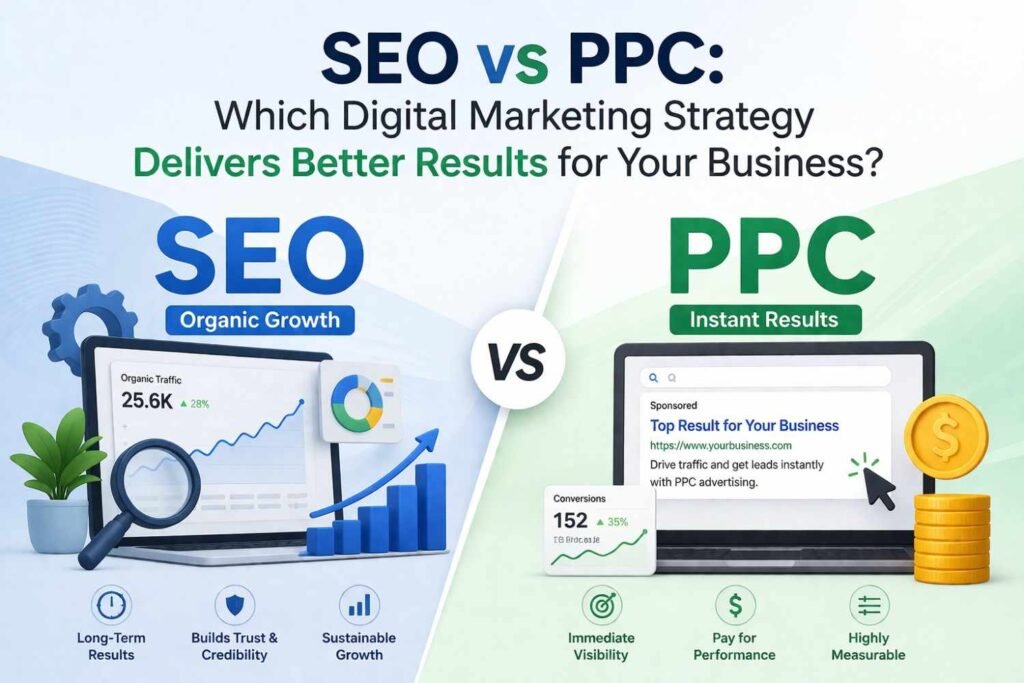
Choosing between Search Engine Optimization and Pay-Per-Click is one of the most pivotal decisions for any business investing in digital marketing. Both strategies are indispensable tools for driving traffic, generating leads, and enhancing online visibility, yet they operate on fundamentally different principles. SEO is a marathon, focusing on cultivating long-term organic growth and establishing enduring authority within search engine results. Conversely, PPC is a sprint, designed to deliver immediate results through targeted paid advertisements.
Understanding the nuanced differences, distinct benefits, and ideal applications of each approach is crucial for businesses aiming to allocate their marketing budgets wisely and achieve their strategic objectives. This comprehensive guide will meticulously break down the intricacies of SEO vs PPC, presenting them in clear, actionable terms. Our goal is to empower you to make an informed decision about which approach, or combination thereof, best aligns with your specific business goals, competitive landscape, and desired growth timeline. We will delve into recent statistics, expert insights, and practical considerations to help you chart a successful digital marketing course.
What Is SEO? Unlocking Organic Growth and Long-Term Authority
SEO, or Search Engine Optimization, is a multifaceted, long-term strategy dedicated to enhancing a website’s visibility and ranking within the organic (unpaid) results pages of search engines like Google, Bing, and Yahoo. It’s about making your website inherently attractive and relevant to search engine algorithms, thereby earning its place at the top. This process involves three primary pillars:
- On-Page SEO: This focuses on optimizing elements directly on your website. It includes crafting high-quality, keyword-rich content, optimizing meta titles and descriptions, structuring headings (H1, H2, etc.) logically, optimizing images, and ensuring internal linking is robust. The goal is to clearly signal to search engines what your content is about and its relevance to user queries.
- Off-Page SEO: This refers to activities performed outside of your website to improve its search engine ranking. The most significant component is backlink building, where other reputable websites link back to yours. These backlinks act as votes of confidence, signaling to search engines that your content is valuable and trustworthy. Other off-page tactics include social media marketing, brand mentions, and influencer outreach.
- Technical SEO: This involves optimizing the technical aspects of your website to help search engines crawl, index, and render your site more effectively. Key elements include site speed optimization, mobile-friendliness, structured data markup, XML sitemaps, and ensuring a secure (HTTPS) connection. A technically sound website provides a better user experience and facilitates easier discovery by search engines.
By diligently implementing these strategies, SEO aims to improve your website’s organic search rankings, leading to increased visibility and sustained traffic over time. It’s about building a robust online presence that earns authority and trust, making it a cost-effective solution in the long run. Eyes On Solution specializes in comprehensive SEO optimization, including advanced keyword research, content strategy, technical audits, and link building, to help businesses achieve lasting organic rankings and sustainable traffic growth.
Why Invest in SEO? The Long-Term ROI and Brand Authority
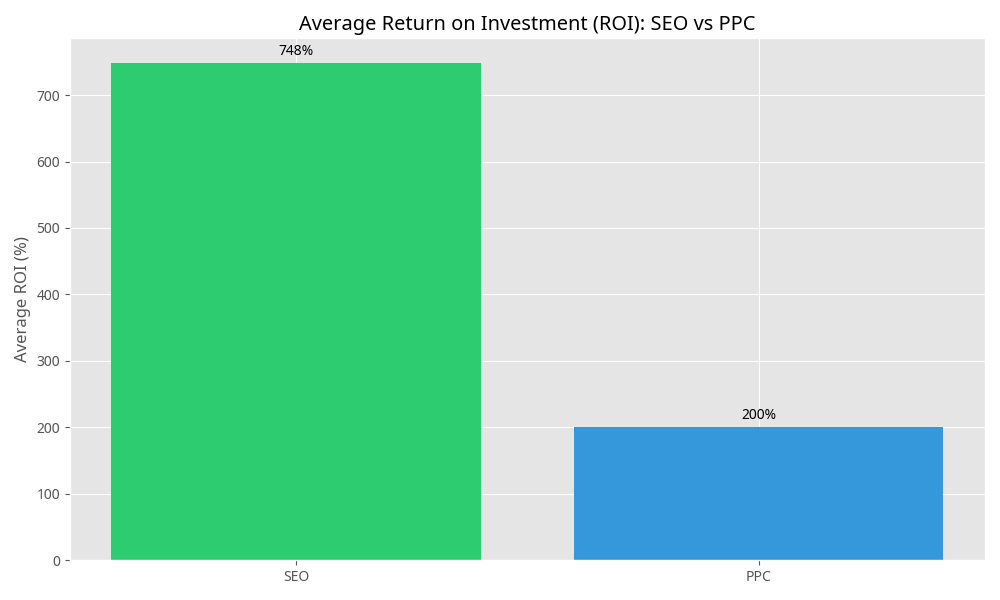
Investing in SEO is a strategic decision that yields significant long-term benefits. Unlike paid advertising, the traffic generated through SEO is often perceived as more credible and trustworthy by users. This inherent trust translates into higher click-through rates and better engagement. Furthermore, once your website achieves high organic rankings, it can continue to attract traffic without direct per-click costs, making it incredibly cost-effective over time. Studies indicate that SEO can deliver an average Return on Investment of 748%, significantly outperforming many other marketing channels.
While it requires patience, with positive ROI typically achieved over a 6-12 month period and peak results in the second or third year, the compounding returns make it a cornerstone of sustainable digital growth.
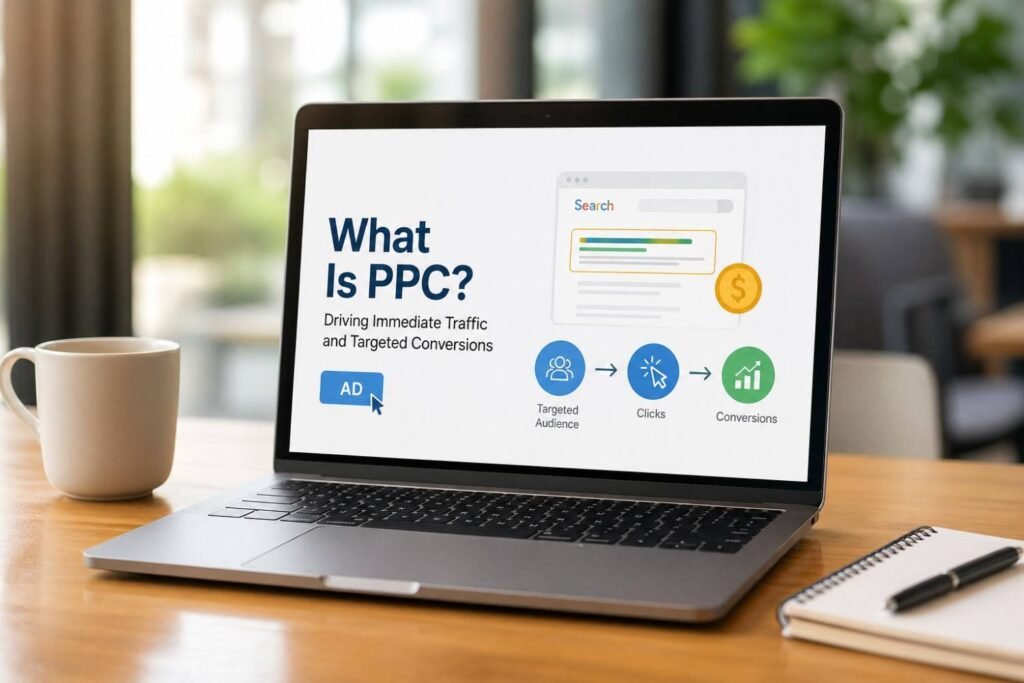
What Is PPC? Driving Immediate Traffic and Targeted Conversions
PPC, or Pay-Per-Click, is an advertising model where advertisers pay a fee each time their ad is clicked. It’s essentially a method of purchasing visits to your website rather than earning them organically. This model allows businesses to gain immediate visibility in search engine results pages and other online platforms. The most prominent PPC platform is Google Ads, which enables advertisers to bid on keywords and display their ads to users actively searching for those terms. Other platforms include social media advertising (e.g., Facebook Ads, Instagram Ads) and display advertising networks.
How PPC Works: Bidding, Targeting, and Instant Visibility
PPC operates on an auction-based system where advertisers bid on keywords relevant to their products or services. When a user searches for a particular keyword, an auction takes place in real-time to determine which ads will be shown and in what order. Factors influencing ad position include bid amount, ad quality, and expected impact of extensions and other ad formats. Key components of a successful PPC campaign include:
- Keyword Research: Identifying relevant keywords that your target audience uses to find products or services like yours.
- Ad Copywriting: Crafting compelling and concise ad headlines and descriptions that encourage clicks.
- Landing Page Optimization: Ensuring that the page users land on after clicking your ad is highly relevant, user-friendly, and optimized for conversions.
- Audience Targeting: Utilizing demographic, geographic, interest-based, and behavioral targeting options to reach the most qualified audience.
- Bid Management: Strategically managing bids to maximize ROI and achieve desired ad positions.
PPC offers instant visibility and is particularly effective for quick campaigns, seasonal promotions, new product launches, or when immediate lead generation is the primary goal. It provides unparalleled control over targeting and budget, allowing businesses to rapidly adapt to market changes and measure performance with precision.
The Power of PPC: Rapid Results and Measurable Performance
The primary allure of PPC lies in its ability to deliver rapid results. Unlike SEO, which can take months to show significant impact, PPC campaigns can generate traffic and conversions almost immediately after launch. This makes it an invaluable tool for businesses needing to quickly boost sales, test new offerings, or capitalize on timely opportunities. Furthermore, PPC campaigns are highly measurable, providing advertisers with a wealth of data on impressions, clicks, click-through rates, conversion rates, cost-per-click, and return on ad spend.
This granular data allows for continuous optimization and ensures that marketing budgets are spent efficiently. While the average conversion rate for PPC is around 1.3%, it can vary significantly by industry and campaign optimization. For instance, certain industries might see higher conversion rates, especially with highly targeted campaigns. According to some reports, PPC advertising was the most popular online advertising approach in 2024.
Key Differences Between SEO and PPC: A Comparative Analysis for Strategic Decision-Making
Choosing between SEO and PPC often comes down to understanding their fundamental differences across various operational and strategic dimensions. While both aim to drive traffic and conversions, their approaches, timelines, and cost structures vary significantly. A clear comparative analysis is essential for businesses to make informed decisions about where to allocate their digital marketing resources.
Cost Structure: Understanding the Financial Investment
One of the most significant distinctions between SEO and PPC lies in their cost structures. With PPC, costs are direct and immediate; you pay for every click your ad receives. This means that as long as your campaign is active and generating clicks, you are incurring expenses. The cost per click can vary widely depending on industry, keyword competitiveness, and geographic targeting, ranging from a few cents to several dollars or even tens of dollars for highly coveted terms. While this offers precise budget control, it also means that once your budget is exhausted, your visibility disappears. In contrast, SEO costs are primarily indirect and involve an investment in time, expertise, and resources.
These include content creation, technical audits, link building efforts, and ongoing optimization. While there might be upfront costs for tools or agency fees, the traffic generated through SEO is essentially ‘free’ on a per-click basis once rankings are achieved. This makes SEO a more cost-effective solution in the long run, as the assets created (e.g., high-ranking content, strong domain authority) continue to deliver value without recurring per-click charges.
Time to Results: Immediate Impact vs. Sustained Growth
The timeline for seeing results is another critical differentiator. PPC campaigns offer almost immediate visibility and can drive traffic and conversions within hours or days of launch. This makes PPC an excellent choice for businesses with urgent marketing goals, such as new product launches, seasonal sales, or time-sensitive promotions. However, this immediacy comes with the caveat that results cease once the campaign budget runs out.
SEO, on the other hand, is a long-term play. It typically takes several months to a year to see significant improvements in organic rankings and traffic, with peak results often manifesting in the second or third year of consistent effort. This extended timeline is due to the complex nature of search engine algorithms, the time it takes to build domain authority, and the competitive landscape. While slower, the results of SEO are more sustainable and continue to deliver value long after the initial investment.
Sustainability: Enduring Presence vs. Campaign-Dependent Visibility
Sustainability is where SEO truly shines. Once a website achieves high organic rankings, it tends to maintain those positions for extended periods with ongoing maintenance and updates. This creates an enduring online presence that continuously attracts relevant traffic without the need for constant financial input on a per-click basis. The assets built through SEO, such as high-quality content and strong backlinks, become valuable long-term assets for the business. PPC visibility, conversely, is entirely campaign-dependent.
Your ads appear as long as your budget allows and your campaigns are active. The moment you pause or deplete your budget, your visibility in the paid search results disappears. This makes PPC less sustainable for continuous, long-term traffic generation if used in isolation, but highly effective for targeted, short-term bursts of visibility.
Traffic Quality: Intent-Driven Engagement vs. Targeted Reach
Both SEO and PPC can deliver high-quality traffic, but the nature of that quality can differ. SEO traffic is often considered to have higher intent because users are actively searching for information, products, or services and are more likely to trust organic results. When a user clicks on an organic listing, they perceive it as a natural, editorially chosen result, which can lead to higher engagement and conversion rates. Indeed, SEO often converts at a higher rate than PPC, with some studies showing SEO conversion rates at 2.4% compared to PPC’s 1.3%. Other data suggests SEO average conversion rates around 14.6% compared to PPC’s 10%, highlighting the trust factor.
PPC traffic, while not always carrying the same inherent trust as organic, is highly targeted. Advertisers can precisely define their audience based on keywords, demographics, geographic location, interests, and even past online behavior. This allows for incredibly granular targeting, ensuring that ads are shown to the most relevant prospects, which can also lead to strong conversion rates, especially for commercial queries.
ROI Timeline: Compounding Returns vs. Immediate Measurable Gains
The Return on Investment timeline for SEO and PPC also presents a stark contrast. SEO delivers a long-term, compounding ROI. Initial investments may not show immediate returns, but as rankings improve and organic traffic grows, the ROI steadily increases and can become exceptionally high over time. As mentioned, SEO can achieve an average ROI of 748%, with positive ROI typically realized within 6-12 months. PPC, on the other hand, offers an immediate and highly measurable ROI.
You can track the performance of your campaigns in real-time, calculate your ROAS, and quickly adjust strategies to optimize for profitability. This makes PPC ideal for businesses that need to demonstrate quick returns on their marketing spend. However, the ROI for PPC is directly tied to the ongoing budget; once the budget is gone, the returns stop. A combined approach often leverages the immediate ROI of PPC to fund the longer-term, higher ROI potential of SEO.
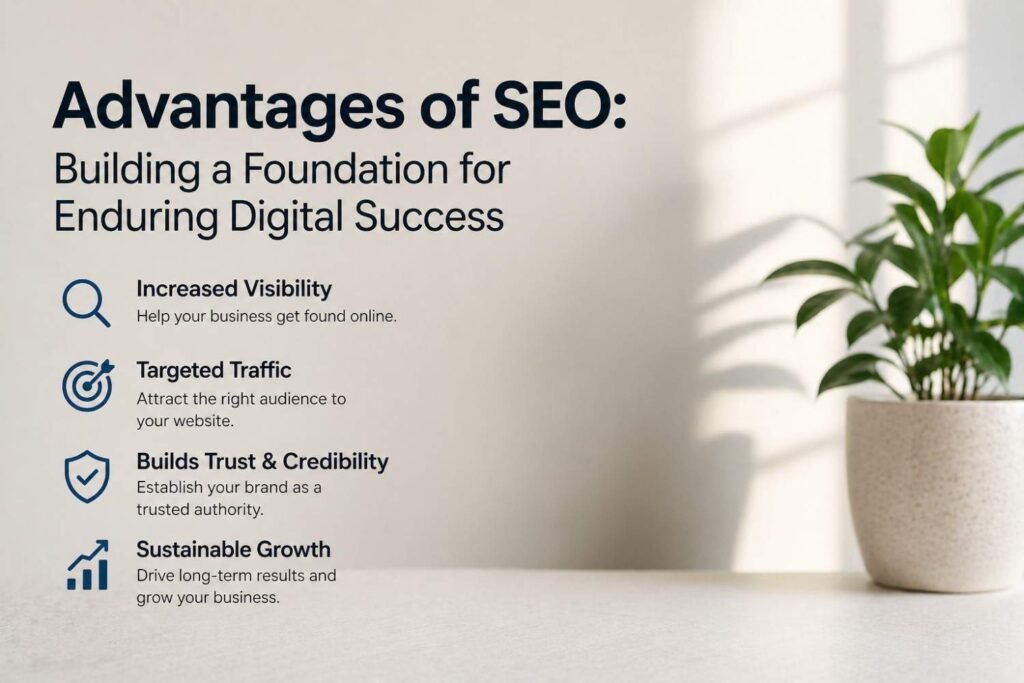
Advantages of SEO: Building a Foundation for Enduring Digital Success
SEO offers a multitude of benefits that contribute to a business’s long-term digital success and brand equity. These advantages extend beyond mere traffic generation, fostering a sustainable and credible online presence.
Long-Term Traffic Growth: A Sustainable Pipeline of Visitors
One of the most compelling advantages of SEO is its ability to generate long-term traffic growth. Unlike paid campaigns that cease when the budget runs out, organic rankings, once achieved, can continue to drive consistent traffic to your website for months or even years with proper maintenance. This creates a sustainable pipeline of visitors, reducing reliance on continuous ad spending and providing a more stable foundation for business growth. This enduring traffic stream is invaluable for businesses seeking consistent lead generation and brand exposure.
Builds Brand Credibility and Trust: Earning Authority in Your Niche
Appearing high in organic search results significantly builds brand credibility and trust among users. When a website ranks organically for relevant keywords, it is often perceived as an authoritative and reliable source of information or products. Users tend to trust organic listings more than paid advertisements, leading to higher click-through rates and a stronger brand reputation. This trust factor is a powerful asset that can differentiate your business in a crowded market and foster long-term customer loyalty.
Higher Trust Among Users: The Organic Advantage
The inherent trust users place in organic search results is a distinct advantage for SEO. Studies and user behavior patterns consistently show that a significant portion of searchers prefer to click on organic listings over paid ads. This preference stems from the perception that organic results are editorially earned and more relevant to their query, rather than simply being purchased visibility. This higher trust among users often translates into more engaged visitors and better conversion rates, as they are more receptive to the content and offerings on your site.
Better ROI Over Time: Compounding Returns on Investment
While SEO requires an initial investment of time and resources, it delivers a better ROI over time compared to many other marketing channels. As your website climbs the search rankings and attracts more organic traffic, the cost per acquisition decreases, and the value generated from each visitor increases. The compounding nature of SEO means that early efforts continue to pay dividends long into the future, making it an exceptionally efficient use of marketing budget in the long run. As previously noted, SEO can achieve an average ROI of 748%, making it a powerful engine for sustained profitability.
Positioning: Aligning with Eyes On Solution’s SEO Optimisation Expertise
For businesses partnering with Eyes On Solution, investing in SEO aligns perfectly with our expertise in monthly SEO development and a long-term strategy approach. Our focus is on building robust, future-proof SEO foundations that adapt to algorithm changes and market shifts. We emphasize sustainable growth, ensuring that your investment in SEO continues to yield increasing returns and strengthens your online presence for years to come. Our strategies are designed not just for immediate gains, but for enduring market leadership.
You May Also Like: Will GEO Replace SEO? The Future of Search Explained for Businesses
Advantages of PPC: Maximizing Reach and Driving Immediate Conversions
PPC offers a distinct set of advantages, particularly for businesses seeking rapid market penetration, precise audience targeting, and measurable campaign performance.
Immediate Traffic: Instant Visibility and Rapid Results
The most prominent benefit of PPC is its ability to generate immediate traffic to your website. Once a campaign is launched and approved, your ads can appear at the top of search results pages, instantly putting your brand in front of potential customers. This rapid visibility is invaluable for businesses that need to quickly drive sales, promote new products, or respond to market trends. It bypasses the waiting period associated with SEO, providing an instant boost to your online presence.
Targeted Audience Reach: Precision Marketing for Qualified Leads
PPC platforms offer sophisticated targeted audience reach capabilities. Advertisers can define their audience with remarkable precision based on a wide array of criteria, including keywords, geographic location, demographics (age, gender, income), interests, behaviors, and even remarketing to users who have previously interacted with their website. This granular targeting ensures that your ads are shown only to the most qualified prospects, minimizing wasted ad spend and maximizing the likelihood of conversions. This precision makes PPC an incredibly efficient tool for reaching specific market segments.
Easy to Scale Campaigns: Flexibility and Adaptability
PPC campaigns are inherently easy to scale. Businesses can quickly adjust their budgets, bids, and targeting parameters to respond to changing market conditions, business goals, or campaign performance. Need to increase visibility for a seasonal promotion? Simply increase your budget and bids. Want to test a new product in a specific region? Launch a targeted campaign. This flexibility allows businesses to rapidly expand or contract their marketing efforts as needed, providing unparalleled agility in their digital strategy. This adaptability is crucial in today’s fast-paced digital environment.
Measurable Results: Data-Driven Optimization for Maximum ROI
One of the strongest advantages of PPC is its measurable results. Every aspect of a PPC campaign, from impressions and clicks to conversions and cost-per-acquisition, can be meticulously tracked and analyzed. This wealth of data provides invaluable insights into campaign performance, allowing advertisers to identify what’s working and what’s not. With this data, continuous optimization becomes possible, enabling businesses to refine their keywords, ad copy, landing pages, and targeting to maximize their return on investment. This data-driven approach ensures that marketing spend is always working towards defined business objectives.
You May Also Like: GEO vs AEO vs AIO | How to Optimize Your Content for AI-Driven Search Engines
When Should Your Business Choose SEO? Strategic Scenarios for Organic Dominance
Deciding when to prioritize SEO involves evaluating your business objectives, budget constraints, and long-term vision. SEO is the optimal choice in several strategic scenarios where sustainable growth and brand authority are paramount.
Limited Long-Term Budget: Maximizing Value Over Time
For businesses operating with a limited long-term budget, SEO presents a highly attractive proposition. While it requires an initial investment of time and resources, the organic traffic generated eventually becomes cost-effective, delivering a superior ROI over time. This makes SEO an ideal strategy for startups, small businesses, or those looking to build a strong online presence without the continuous expenditure associated with paid advertising. The compounding nature of SEO returns means that every dollar invested in optimization yields increasing value as your rankings and authority grow.
Building Brand Authority: Establishing Your Niche Expertise
If your primary goal is to build brand authority and establish your business as a thought leader or expert in your niche, SEO is the unparalleled choice. High organic rankings signal to both search engines and users that your website is a credible and valuable resource. This authority is built through consistent creation of high-quality, informative content, strategic link building, and a positive user experience. Over time, this translates into increased brand recognition, trust, and loyalty, which are invaluable assets that cannot be directly purchased through advertising.
Sustainable Organic Traffic: A Steady Stream of Engaged Visitors
For businesses seeking a sustainable organic traffic stream that continues to deliver results long after the initial effort, SEO is the answer. Unlike PPC, where traffic stops when the budget runs out, organic traffic, once earned, tends to be more consistent and resilient. This steady flow of engaged visitors is crucial for businesses that rely on continuous lead generation, content consumption, or e-commerce sales. It provides a stable foundation for growth, reducing the volatility often associated with purely paid marketing efforts.
Long-Term Growth Strategy: Investing in Future Digital Presence
SEO is fundamentally a long-term growth strategy. It’s an investment in the future digital presence and health of your business. By focusing on SEO, you are not just optimizing for current search engine algorithms but also building a robust, adaptable online asset that can withstand future changes. This approach ensures that your business remains competitive and visible in the ever-evolving digital landscape, providing a strong foundation for sustained success and market leadership. Eyes On Solution specializes in crafting these long-term strategies, ensuring your business is positioned for enduring digital dominance.
When Should Your Business Choose PPC? Strategic Scenarios for Immediate Impact
PPC is a powerful tool for businesses that need to achieve rapid results, target specific audiences with precision, and maintain tight control over their marketing spend. It’s particularly effective in certain strategic scenarios.
Immediate Visibility Needs: Launching Products or Promotions
When your business has immediate visibility needs, such as launching a new product, promoting a limited-time offer, or responding to a seasonal trend, PPC is the most effective solution. PPC campaigns can be set up and launched quickly, providing instant exposure at the top of search engine results pages. This rapid deployment allows businesses to capitalize on timely opportunities, drive immediate traffic, and generate quick conversions, making it an indispensable tool for short-term marketing objectives.
Highly Targeted Campaigns: Reaching Specific Customer Segments
PPC excels in executing highly targeted campaigns. Its advanced targeting options allow businesses to reach very specific customer segments based on demographics, interests, geographic location, search intent, and even past interactions with your website. This precision ensures that your marketing messages are delivered to the most relevant audience, maximizing the effectiveness of your ad spend and increasing the likelihood of conversions. For niche markets or highly specialized products, PPC can be a game-changer.
Testing Marketing Strategies: Rapid A/B Testing and Optimization
PPC platforms are ideal for testing marketing strategies due to their rapid feedback loops and detailed analytics. Businesses can quickly A/B test different ad copy, landing pages, keywords, and targeting parameters to identify what resonates best with their audience. This iterative testing and optimization process allows for continuous improvement of campaign performance, ensuring that marketing efforts are always aligned with the most effective strategies. The ability to gather data and make real-time adjustments is a significant advantage of PPC.
Supplementing SEO Efforts: Filling Gaps and Dominating SERPs
PPC can effectively supplement SEO efforts by filling gaps in organic visibility and dominating the search engine results pages. For keywords where organic ranking is challenging or takes time, PPC can provide immediate presence. Furthermore, by appearing in both organic and paid results, businesses can increase their overall SERP real estate, enhancing brand visibility and click-through rates. This synergistic approach ensures maximum exposure and captures a wider audience, leading to a more comprehensive digital marketing strategy.
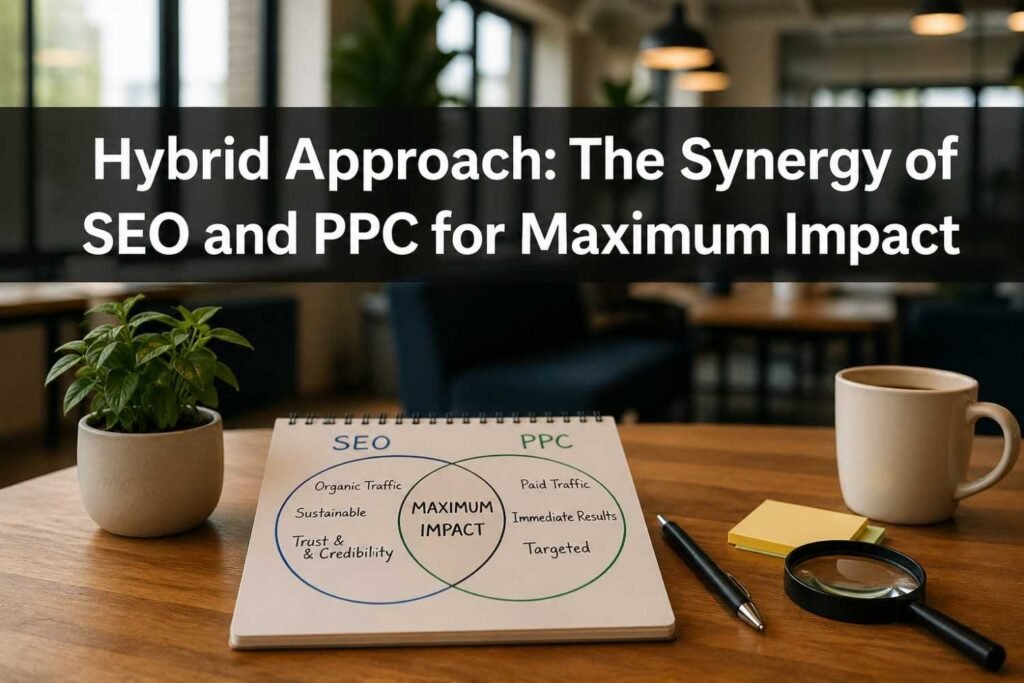
Hybrid Approach: The Synergy of SEO and PPC for Maximum Impact
While SEO and PPC each offer distinct advantages, the most effective digital marketing strategy often involves a hybrid approach, leveraging the strengths of both to create a synergistic effect. Combining SEO and PPC allows businesses to achieve both immediate impact and long-term sustainable growth, dominating the search landscape from multiple angles.
Data Sharing and Insights: Informing Both Strategies
One of the key benefits of a hybrid approach is the data sharing and insights that can inform both strategies. Performance data from PPC campaigns, such as high-converting keywords, effective ad copy, and audience demographics, can provide invaluable insights for SEO content creation and keyword targeting. Conversely, organic search data can highlight emerging trends and long-tail keywords that can be leveraged in PPC campaigns. This continuous feedback loop ensures that both strategies are optimized and working in harmony.
Dominating Search Engine Results Pages: Maximizing Visibility
By simultaneously investing in SEO and PPC, businesses can achieve dominating search engine results pages. Appearing in both the organic and paid sections of the SERP significantly increases brand visibility and click-through rates. This dual presence not only captures a larger share of search traffic but also reinforces brand credibility and authority. When users see your brand consistently across both paid and organic listings, it builds trust and recognition, leading to a stronger overall digital footprint.
Risk Mitigation: Balancing Short-Term and Long-Term Goals
A hybrid approach offers effective risk mitigation by balancing short-term and long-term marketing goals. PPC provides immediate traffic and conversions, ensuring that business objectives are met in the short term, especially during periods of low organic visibility. SEO, on the other hand, builds a sustainable foundation for future growth, reducing reliance on continuous ad spend and protecting against potential algorithm changes. This balanced strategy ensures that your business is resilient and adaptable to market fluctuations.
Cost-Effectiveness Over Time: Optimizing Marketing Spend
While PPC has immediate costs, and SEO has upfront investments, a hybrid approach can lead to cost-effectiveness over time. By using PPC to quickly test keywords and market segments, businesses can refine their SEO strategy, focusing resources on high-impact areas. As organic rankings improve, the reliance on PPC for certain keywords can decrease, leading to a lower overall cost per acquisition. This strategic allocation of resources ensures that marketing spend is optimized for maximum return across both short-term and long-term horizons.
Key Data Points and Statistics: Quantifying the Impact
To further illustrate the power of SEO and PPC, let’s delve into some key data points and statistics that highlight their respective impacts and the benefits of a combined strategy.
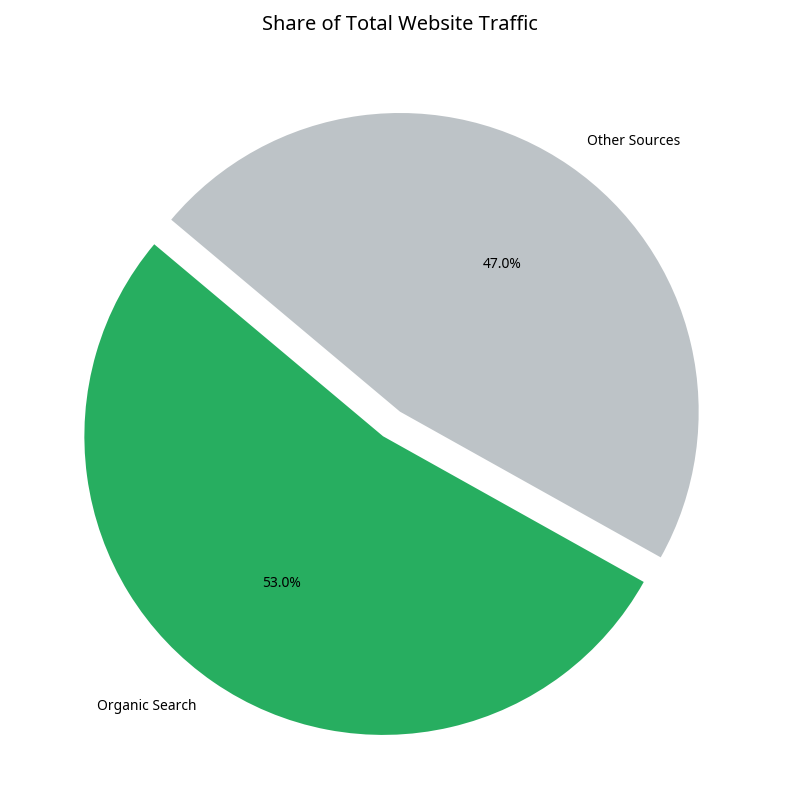
- Organic Search Dominance: Organic search drives 53% of all website traffic, making it the single largest source of traffic for most businesses. This underscores the importance of a strong SEO strategy for foundational online presence.
- PPC Conversion Rates: The average conversion rate for PPC ads across all industries is 3.75%, with some industries achieving much higher rates. This demonstrates PPC’s effectiveness in driving direct actions.
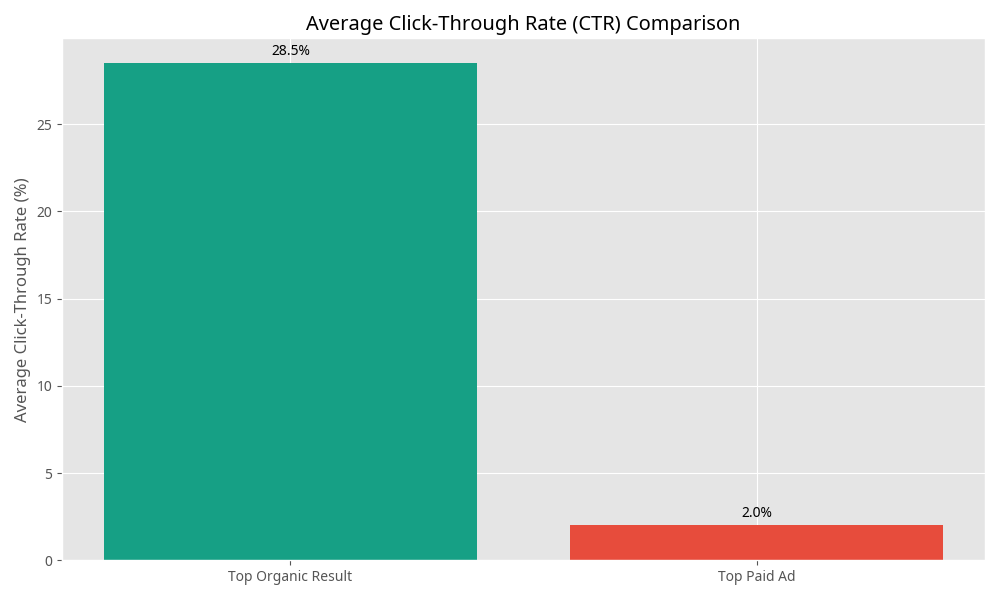
- SEO vs. PPC Click-Through Rates: Organic search results typically have a significantly higher click-through rate than paid ads. The top organic result on Google has an average CTR of 28.5%, while the top paid ad has a CTR of around 2%. This highlights the user preference for organic listings.
- ROI of SEO: As previously mentioned, SEO can achieve an average ROI of 748%, with some businesses seeing returns as high as 1000% or more. This long-term profitability makes SEO a highly attractive investment.
- Local SEO Importance: 46% of all Google searches have local intent, meaning users are looking for businesses or services near their current location. This emphasizes the critical role of local SEO for brick-and-mortar businesses.
- Mobile Search: Over 50% of all global website traffic comes from mobile devices. This necessitates a mobile-first approach for both SEO and PPC strategies to ensure optimal user experience and ranking performance.
- Cost of PPC: The average cost per click on Google Ads is between $1 and $2 for the search network, but can range significantly higher in competitive industries. Understanding these costs is crucial for budget planning.
- Brand Recognition: Studies show that brands appearing in both organic and paid search results experience a 20-30% increase in clicks compared to appearing in only one. This reinforces the power of a hybrid approach for brand visibility.
Comparison Chart: SEO vs. PPC at a Glance
| Feature | Search Engine Optimization (SEO) | Pay-Per-Click (PPC) |
|---|---|---|
| Cost Structure | Indirect (time, resources, expertise); free per-click once ranked | Direct (pay per click); continuous expenditure for visibility |
| Time to Results | Long-term (months to a year for significant impact) | Immediate (hours to days for visibility and traffic) |
| Sustainability | Enduring presence; continuous traffic with maintenance | Campaign-dependent; visibility ceases when budget runs out |
| Traffic Quality | High intent; perceived as authoritative; higher organic trust | Highly targeted; precise audience reach; strong for commercial intent |
| ROI Timeline | Long-term, compounding returns; increasing value over time | Immediate, measurable gains; direct correlation with spend |
| Control | Less direct control over rankings; algorithm-dependent | High control over ad placement, budget, and targeting |
| Visibility | Organic search results; below paid ads | Top of search results (paid ads); highly prominent |
| Brand Building | Builds long-term authority and credibility | Enhances short-term brand exposure and recognition |
| Flexibility | Slower to adapt to rapid market changes | Highly flexible; quick adjustments to campaigns and budgets |
Conclusion: Crafting a Holistic Digital Marketing Strategy with Eyes On Solution
In the dynamic realm of digital marketing, the debate between SEO and PPC is not about choosing one over the other, but rather understanding their distinct strengths and how they can be synergistically combined to achieve overarching business objectives. SEO, with its emphasis on organic growth, brand authority, and long-term sustainability, lays the foundational groundwork for an enduring online presence. It cultivates trust, delivers compounding returns, and establishes your business as a credible leader in its niche. PPC, conversely, offers the agility for immediate impact, precise targeting, and rapid market penetration, making it an indispensable tool for time-sensitive campaigns and quick lead generation.
The most successful digital marketing solutions recognize that SEO and PPC are not rivals but powerful allies. By integrating data insights from PPC to refine SEO content, and leveraging organic authority to enhance paid campaign performance, businesses can dominate the search engine results pages from multiple angles. This hybrid approach mitigates risks, balances short-term gains with long-term growth, and ultimately optimizes marketing spend for maximum return on investment.
For businesses seeking to navigate this complex landscape, partnering with a seasoned expert like Eyes On Solution is paramount. Our specialized knowledge in both SEO and PPC allows us to craft bespoke strategies that align with your unique goals, whether it’s building brand credibility, driving immediate sales, or achieving sustainable growth. We are committed to delivering data-driven solutions that not only enhance your online visibility but also contribute significantly to your business’s overall success. Embrace the power of a holistic digital marketing strategy, and let Eyes On Solution guide your path to unparalleled online dominance.